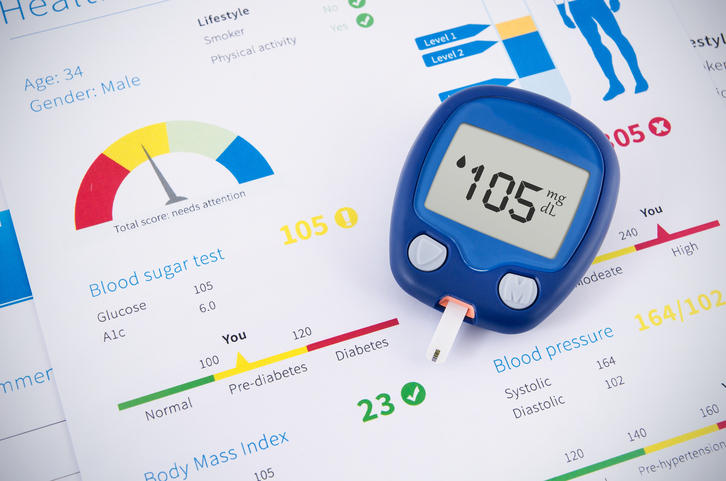
Blood glucose represents the level of glucose present in the blood. Keeping this value within normal limits is essential to ensure proper functioning of the body. When blood glucose rises above physiological thresholds, it is called hyperglycemia, a condition that should not be underestimated because it can be an early sign of diabetes or other metabolic changes.
Let us clarify indeed the meaning of the word hyperglycemia. This medical term refers to an excessive rise in blood glucose (genrally when it exceeds 126mg/dl on an empty stomach)
Blood sugar may rise temporarily due to stress, high-sugar diet, or illness, but when the alteration becomes constant, it is necessary to investigate with a physician.
The first question that is useful to answer is: why does blood sugar rise?
The most common causes include:
Identifying the cause is the first step in proper intervention, but it is also imprtant to observe the appearance of certain signs that act as alarm bells such as: intense thirst, frequent urination, fatigue, sudden weight loss, continuous hunger, blurred vision, and difficulty healing wounds.
These symptoms indicate that the body is unable to use sugar as an energy source.
If left untreated, hyperglycemia can cause progressive damage iche can affect various systems and organs of the body. Examples include complications related to:
Cardiovascular disease: Glucose licking damages veins and arteries, increasing the risk of heart attack and stroke.
Neuropathy:Chronic hyperglycemia damages nerves, causing tingling, pain or loss of sensation.
Kidney damage: kidneys must filter more sugar than normal, increasing the risk of diabetic nephropathy.
Vision problems: the retina is particularly sensitive to glycemic changes. Without control, retinopathy and vision loss can appear.
Slow healing and infection: high blood sugar weakens the immune system and slows healing processes
Worsening of general well-being: fatigue, dehydration, and drops in concentration are frequent consequences and impact quality of life.
The good news is that high blood glucose can be prevented and controlled with an integrated pathway that, starting with a blood test the diabetes specialist takes a patient history, measures body mass index, and designs customized nutritional programs to stabilize blood glucose levels and reduce insulin resistance.
Hyperglycemia is also managed with the use of specific medications or monitoring, and it is therefore essential to follow the specialist's instructions carefully and have regular checkups.
For those who require specific medications or monitoring, we offer a comprehensive and personalized care pathway.
High blood sugar is not just an out-of-normal value: it is an alarm bell that indicates the need to take care of one's health. Early intervention means preventing complications, improving daily energy and protecting vital organs.
If the latest blood tests have indicated an abnormal blood glucose value, it is helpful to consult an experienced specialist. At Life Clinic you will find a multidisciplinary approach to managing this problem: nutritionist, physical therapist, and diabetologist are available to help you manage your blood sugar level before it leads to more serious consequences.