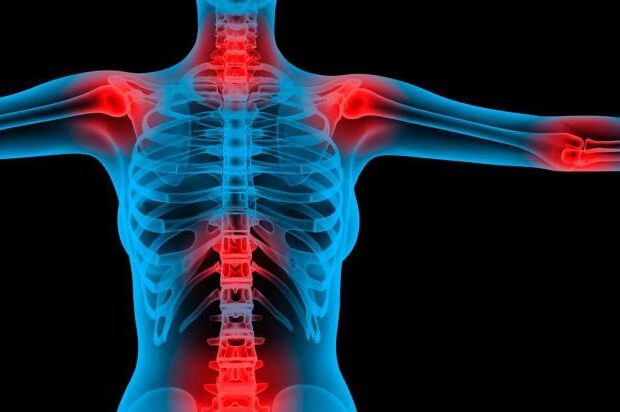
Fibromyalgia is a complex chronic syndrome characterized by widespread musculoskeletal pain, persistent fatigue, sleep disturbances, muscle stiffness, and cognitive and mood symptoms. Although there are no detectable structural changes, the condition can significantly impair quality of life and daily functioning.
The diagnosis and management of fibromyalgia fall within the remit of rheumatologists, who are specialists in chronic pain disorders of the musculoskeletal system and in the differential diagnosis of inflammatory rheumatic diseases.
Current scientific evidence indicates that fibromyalgia is related to an alteration in the central pain modulation mechanisms, known as central sensitization. This condition involves an amplification of nociceptive stimuli, associated with:
dysfunction of pain inhibition systems;
neuroendocrine and autonomic nervous system alterations;
sleep disorders and response to chronic stress.
Understanding these mechanisms is essential for establishing an appropriate treatment plan and avoiding inappropriate treatments. For these reasons, it is essential to consult a qualified professional.
Rheumatologists play a central role in the diagnosis of fibromyalgia because, during a thorough examination, they recognize the characteristic symptoms, rule out inflammatory rheumatic diseases (rheumatoid arthritis, spondyloarthritis, connective tissue diseases), and differentiate fibromyalgia from other causes of chronic musculoskeletal or systemic pain.
Proper specialist assessment allows unnecessary tests to be avoided and reduces diagnostic delays, which are common in this condition.
There is no single definitive treatment for fibromyalgia. Treatment, coordinated by a rheumatologist, is based on a personalized multidisciplinary approach aimed at controlling symptoms and improving functionality.
Therapeutic strategies include, first and foremost, patient education and explanation of the nature of the condition; adapted and progressive physical activity programs; targeted physical therapy and rehabilitation therapies; psychological support and stress management techniques; and selected drug treatment, when indicated, for pain, sleep disorders, and associated symptoms.
Life Clinic places the rheumatologist at the center of the care pathway for patients with fibromyalgia. Specialist assessment allows a personalized treatment plan to be defined, integrating rheumatological, rehabilitative, and overall wellness support skills. The goal is to accompany the patient on a structured and informed journey, aimed not only at reducing pain, but also at improving quality of life and long-term management of the condition.
For further information, please refer to the page dedicated to rheumatology and Prof. Montecucco's professional profile.