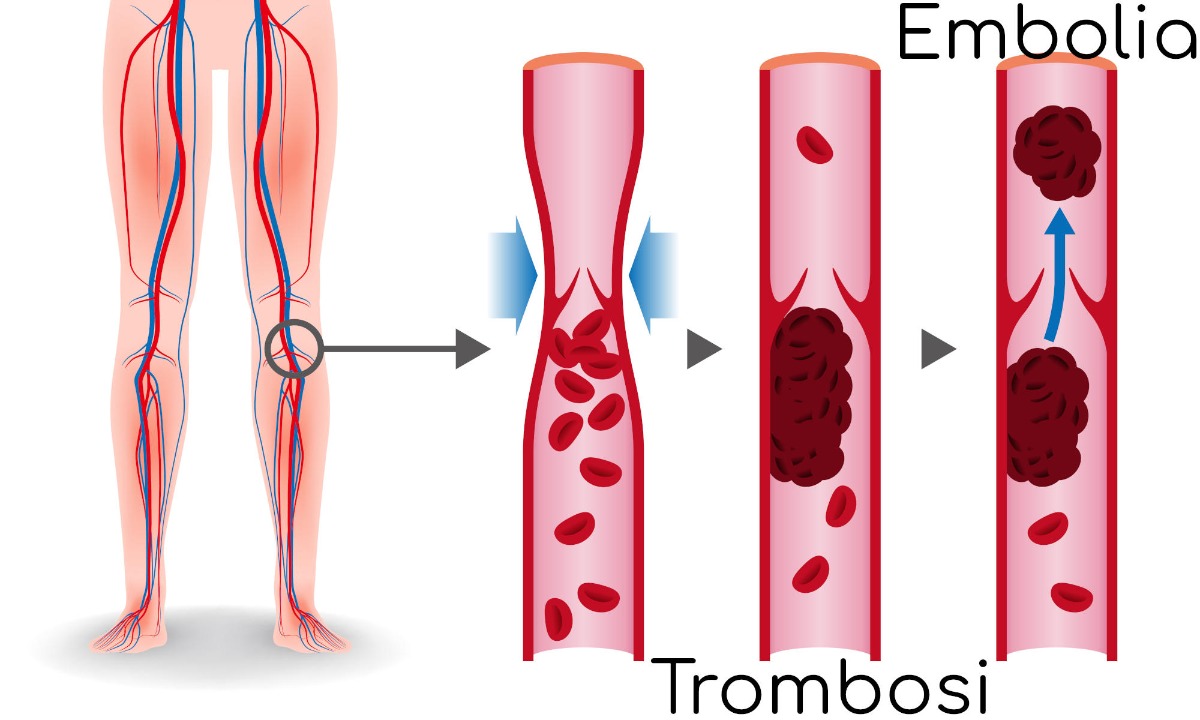
Thrombosis is a condition that is often perceived as sudden and unpredictable, but in reality it is the result of a combination of factors that, over time, disrupt the normal balance of our circulatory system. It occurs when a blood clot, called a thrombus, forms inside a blood vessel and obstructs blood flow. Depending on whether it affects a vein or an artery, it can have very different consequences, but in both cases it requires attention and prompt action.
In the case of venous thrombosis, the problem primarily affects the deep veins of the lower limbs. Blood tends to flow more slowly in these veins, and under certain conditions, it can pool, leading to clot formation. Arterial thrombosis is different; it involves the arteries and can lead to acute events such as a heart attack or stroke, where blood flow to vital organs is suddenly interrupted.
There are three main mechanisms underlying thrombosis, which are often interconnected. The first is blood stasis, which occurs, for example, when a person remains immobile for a long time, such as after surgery or during extended travel. The second is damage to the walls of blood vessels, which can result from trauma, inflammation, or medical procedures. The third is an increased tendency of the blood to clot, which may be linked to genetic factors, conditions such as pregnancy, or the use of certain medications, such as oral contraceptives.
In addition to these factors, there are risk factors related to lifestyle and overall health. A sedentary lifestyle, smoking, obesity, and advanced age all contribute to an increased risk, as do certain chronic conditions, including cardiovascular disease and cancer. Family history also plays an important role, making some people more susceptible than others.
The signs of thrombosis may be subtle at first, but it is crucial not to underestimate them. In the case of deep vein thrombosis, you may experience pain, swelling, and a sensation of warmth in a limb, often accompanied by redness. If, however, the clot breaks loose and travels to the lungs, causing a pulmonary embolism, more serious symptoms may appear, such as shortness of breath, chest pain, and a feeling of faintness. In arterial forms, symptoms are often sudden and more pronounced, such as difficulty speaking, weakness on one side of the body, or severe chest pain.
Precisely because risk factors are largely modifiable, prevention is a key tool. Maintaining an active lifestyle is one of the first steps: physical activity promotes circulation and reduces venous stasis. Proper hydration also helps keep the blood less viscous, while quitting smoking and managing weight help improve blood vessel health. In specific situations, such as after surgery or during long trips, specific measures may be helpful, such as wearing compression stockings or, as prescribed by a doctor, taking anticoagulant medications.
When thrombosis occurs, treatment must be prompt and targeted. Anticoagulant medications are the most common treatment and serve to prevent the clot from growing or new clots from forming. In more severe cases, thrombolytic drugs, which dissolve the clot, may be used, or interventional procedures may be performed. The treatment plan varies from person to person and always requires careful medical evaluation, as well as regular follow-up over time.
Understanding thrombosis ultimately means getting to know your body better and recognizing the signals it sends. It’s not just about taking action when a problem arises, but about adopting daily habits that protect your vascular health. Prevention, combined with early diagnosis, remains the most effective way to reduce risks and live with greater peace of mind.