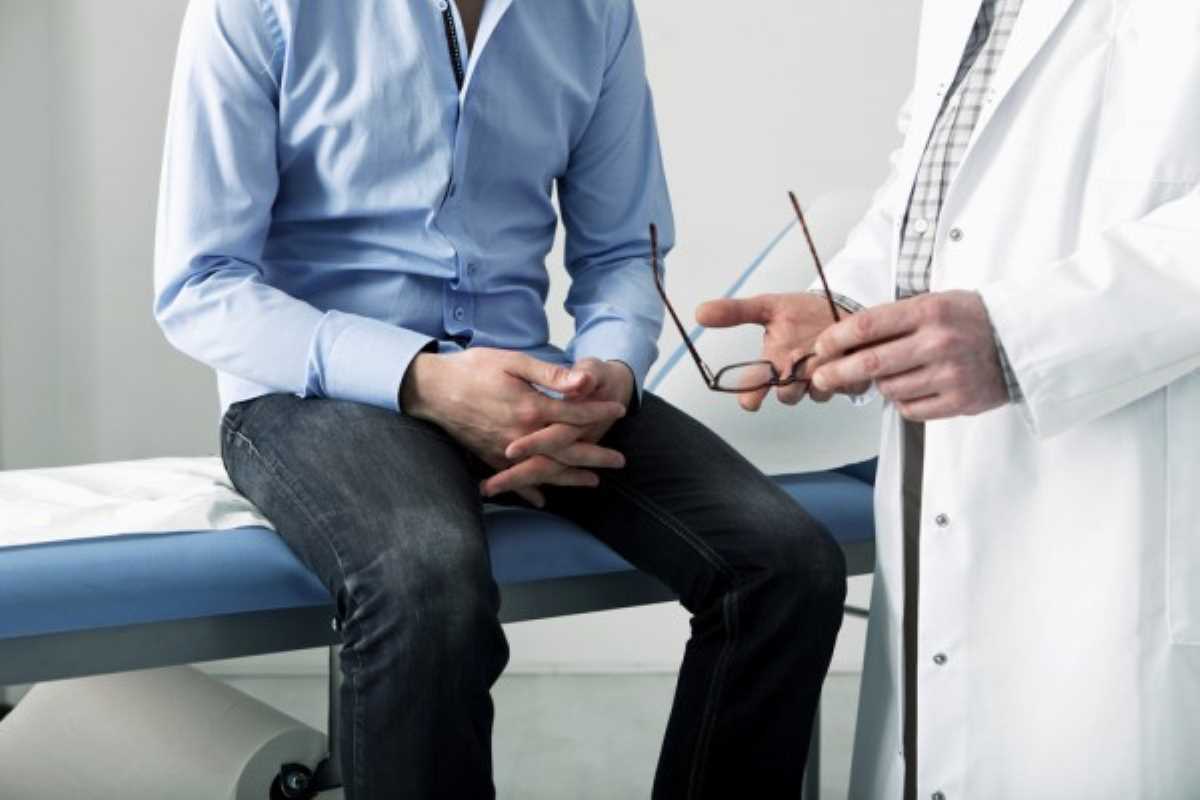
November is Male Cancer Prevention Month, a time to remember that taking care of yourself is not a sign of weakness, but of responsibility.
To better understand the importance of taking care of one's urological health, we met with Dr. Gheza, a urologist, who explained why every man should devote some time, at least once a year, to prevention.
Why is it so important to talk about male cancer prevention today? Because, despite medical advances, many men continue to underestimate prevention. Cancers of the male genital tract-particularly prostate, testicular, and bladder cancer-represent a significant portion of cancer diagnoses in men. The good news is that, if intercepted early, they have very high cure rates.
What are the most common male cancers? The most common is prostate cancer, which mostly strikes after age 50. Then there is testicular cancer, which is rare but can also appear in young men in their 20s and 40s. Finally, let's not forget bladder cancer, which is often linked to smoking and occupational exposures.
When and how should a man begin preventive checkups? In general, from age 50 and up, an annual urological checkup with examination, ultrasound, and PSA assay, a blood test useful for assessing prostate health, is recommended. However, if there are family or risk factors, it is good to start earlier, even from age 40-45. For younger people, however, the focus should be on testicular self-examination, to be done periodically, as women do for their breasts.
Many men tend to avoid urological examinations out of embarrassment. What would you say to them? I understand that there may be some discomfort, but it needs to be overcome. A urological examination is quick, painless, and can literally save your life. It is important to remember that it is not just about sexual health, but overall wellness. Prevention does not take away virility, it strengthens it.
Are there any symptoms to pay special attention to? Yes, for example, difficulty urinating, blood in urine or semen, testicular pain or swelling, persistent pelvic pain. However, many early cancers are asymptomatic, which is precisely why prevention is essential: it is to detect the disease before it shows signs.
In addition to controls, are there habits that help reduce risk? Definitely. A balanced diet low in animal fats and rich in fruits and vegetables, regular physical activity, not smoking, and limiting alcohol are behaviors that also protect urological health. In addition, maintaining a healthy body weight and managing stress has positive effects on the hormonal and immune systems.
In a nutshell, what is the message you would like to leave with our patients? That prevention is a caring gesture toward ourselves and those who care about us. One urological checkup a year can make the difference between an early diagnosis and a late one.
In November, as part of the International Men's Health Awareness Campaign, Dr. Gheza will be available for free urologic consultations dedicated to the prevention of male cancers. Contact us to schedule your appointment.
An important opportunity to overcome fears and embarrassments, get properly informed and take care of your health.
Because prevention means not only curing in time, but living better and longer.