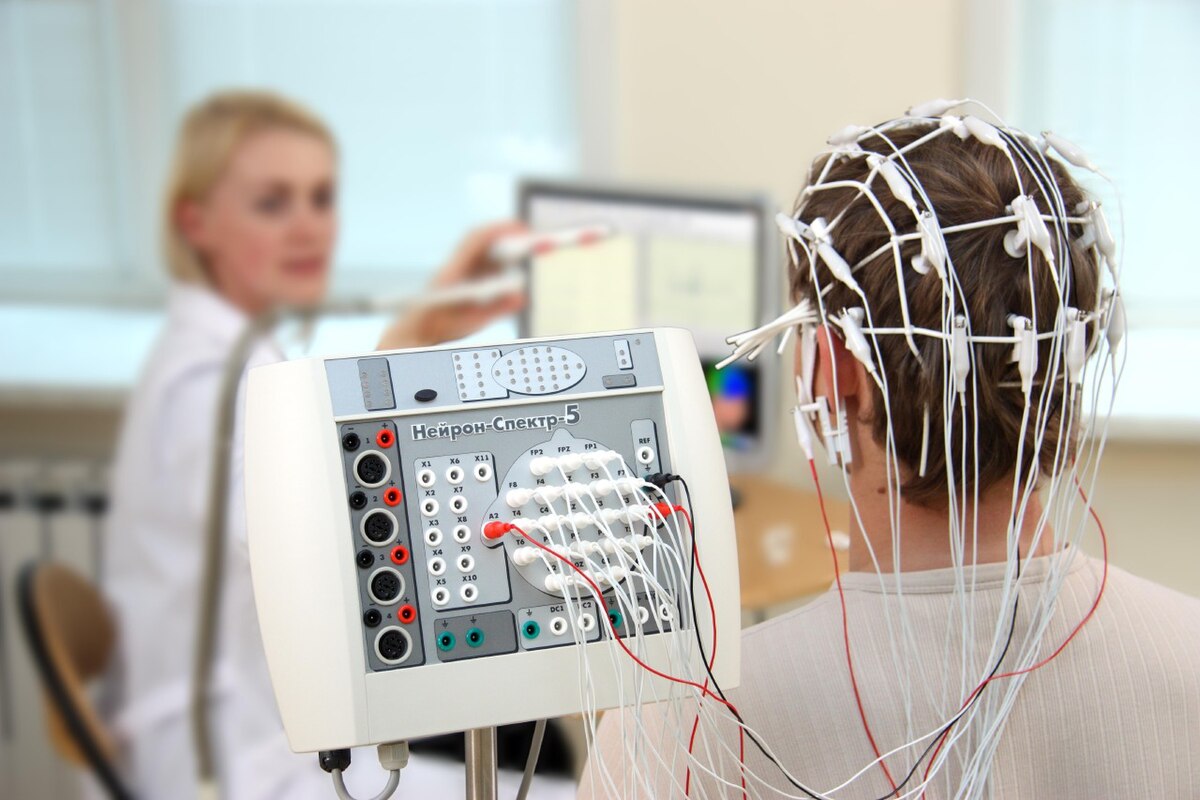
When we think of the health examinations required for competitive skiers, the first thing that often comes to mind is an ECG or cardiological evaluation. However, for some high-level winter sports (such as speed skiing or ski jumping), sports regulations also requirean EEG, or electroencephalogram. But why is a brain examination required for competitions on snow-covered slopes? And what is the clinical value of this neurological assessment for athletes?
According to the regulations ofthe Italian Winter Sports Federation (FISI), athletes competing in speed skiing, ski jumping, and Nordic combined disciplines are required to undergo an electroencephalogram during their first competitive medical examination.
This requirement arises for neurological safety reasons: the EEG serves to rule out or monitor conditions that could put brain health at risk and, consequently, physical integrity during high-performance sports activities.
An electroencephalogram is a non-invasive test that records the electrical activity of the brain using electrodes placed on the scalp. It is useful for identifying:epileptiform activity (potential signs of epilepsy), brain wave abnormalities that could indicate latent neurological disorders, and alterations due to previous head trauma.
High-speed winter sports, such as downhill skiing or jumping, carry a real risk of head trauma. In the event of concussion or trauma, EEG may become part of the neurological follow-up process to assess the possible onset of post-traumatic abnormalities or secondary seizures.
The electroencephalogram in the context of a sports medical examination is not simply a "bureaucratic requirement": it is a tool for protecting the athlete's health. It allows conditions to be ruled out which, if undiagnosed, could have serious consequences during high-impact or high-risk sports. Sports medicine does not only measure the heart, but also evaluates the central nervous system to ensure that the athlete is actually able to compete without putting their health at risk.
So why might an Olympic or competitive athlete need an EEG before important competitions?
This examination guarantees neurological safety by ensuring that there are no unrecognized brain abnormalities that could be aggravated by the exertion, falls, or trauma typical of high-risk winter sports. It also serves asa long-term preventive measure: a regular electroencephalogram at the beginning of a competitive career can be a useful reference point in the event of future injuries, to assess possible changes.
At Life Clinic, we consider EEG to be an integral part of the medical pathway for athletes who practice high-risk sports or who require competitive fitness. We offer athletes a multidisciplinary approach, where neurology, physical therapy, therapeutic swimming, and other services are integrated to support long-term performance and health.
An electroencephalogram may seem like an "extra" test compared to traditional cardiac checks, but for elite winter sports athletes, it is often an essential part of ensuring safety and competitive fitness. Thanks to rigorous medical-sports protocols, it is possible to promptly identify potentially dangerous neurological conditions, protecting the athlete's health and allowing them to pursue a competitive career with complete peace of mind.
At Life Clinic, we offer expertise, advanced equipment, and an integrated approach to accompany athletes to competitions with maximum safety: brain health is a fundamental part of athletic performance.
In addition, our neurophysiopathology technicians actively collaborate with sports associations and clubs to perform EEGs on athletes in preparation for official competitions, including Olympic events. This professional and dedicated support is designed to protect the health of athletes and allow them to express their full potential.