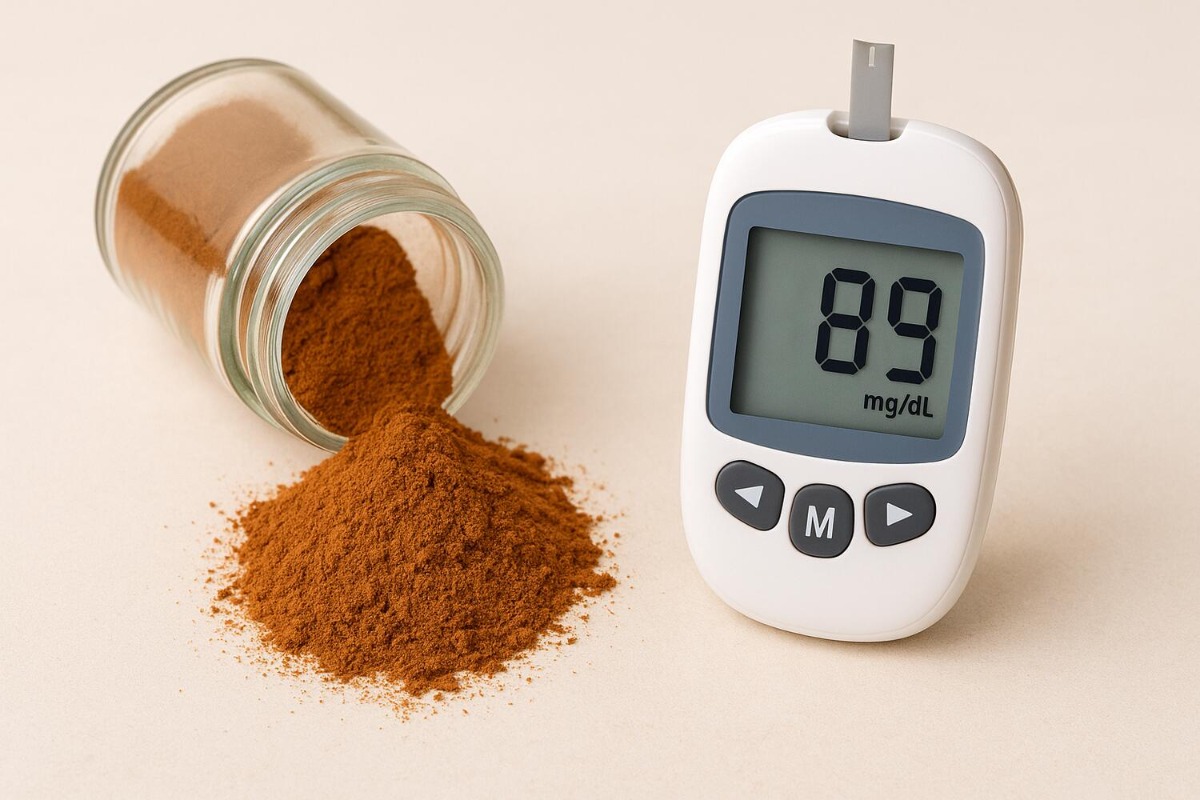
In recent years, cinnamon has been the subject of numerous social media posts and online articles that describe it as a natural remedy capable of lowering blood sugar and even “curing” diabetes. But what does science really say? Is it a valid remedy, or are we dealing with a myth?
Where does this belief come from?
Cinnamon is a spice rich in bioactive compounds, including polyphenols and antioxidants. Some laboratory studies have suggested that these compounds may promote insulin sensitivity and help cells utilize glucose more effectively.
These findings have fueled the idea that adding cinnamon to one's diet may be enough to manage diabetes. However, studies conducted on people paint a more complex picture.
What do the studies show?
Clinical research has yielded mixed results. Some studies have shown a slight reduction in fasting blood glucose levels in some people with type 2 diabetes, while others have found no significant benefits.
Systematic reviews and meta-analyses, which synthesize data from numerous studies, also conclude that any effects of cinnamon are modest, variable, and not always clinically significant. Furthermore, differences in the type of cinnamon used, dosages, treatment duration, and participant characteristics make it difficult to draw definitive conclusions.
In other words, as of now, there is insufficient evidence to conclude that cinnamon is an effective treatment for diabetes.
Can cinnamon replace medication?
The answer is no.
No international guidelines recommend cinnamon as a treatment for diabetes or as an alternative to medications prescribed by a doctor. Stopping or changing your treatment on your own in the hope of achieving the same results with a natural remedy can lead to poor blood sugar control and increase the risk of complications.
Are there any risks?
When used as a spice in cooking, cinnamon is generally safe.
The situation is different when it comes to supplements or the daily consumption of large quantities. Some varieties, such as Cassia cinnamon, contain high levels of coumarin, a substance that, if taken in excess and over long periods, can be harmful to the liver, especially in people who are predisposed to it.
In addition, anyone taking blood-sugar-lowering medications should always consult their doctor before using cinnamon-based supplements to avoid possible interactions or an excessive drop in blood sugar.
So is it a myth?
Yes, if you think cinnamon can cure diabetes.
No, not if it is simply considered an aromatic spice that can be part of a healthy, balanced diet. Adding it to yogurt, porridge, fruit, or unsweetened beverages can be a pleasant way to add flavor without resorting to added sugars, but that doesn’t mean it has any therapeutic effect.
The True Ally in the Fight Against Diabetes
Diabetes management is based on strategies supported by solid scientific evidence:
Advice from Life Clinic
When it comes to health, it’s important to distinguish between what shows promise and what has actually been proven. Cinnamon can be a tasty addition to your daily diet, but it is not a cure for diabetes. Before taking supplements or changing your treatment plan, it’s always advisable to consult your doctor or a specialist.